 By Mick Harrigan
Walk into any workshop and you'll hear the debate: MIG men swear by speed, TIG devotees swear by beauty. After thirty years running both torches, here's the honest answer — it depends on the metal, the position and what the weld has to do.
MIG: fast, forgiving, fantastic for structure
MIG (gas metal arc) lays down a lot of metal quickly, which makes it the workhorse for gates, trailers, frames and general fabrication. It's tolerant of mill scale and outdoor conditions, and a good MIG weld on primed steel will outlast the paint around it.
TIG: slow, precise, unbeatable for show and pressure
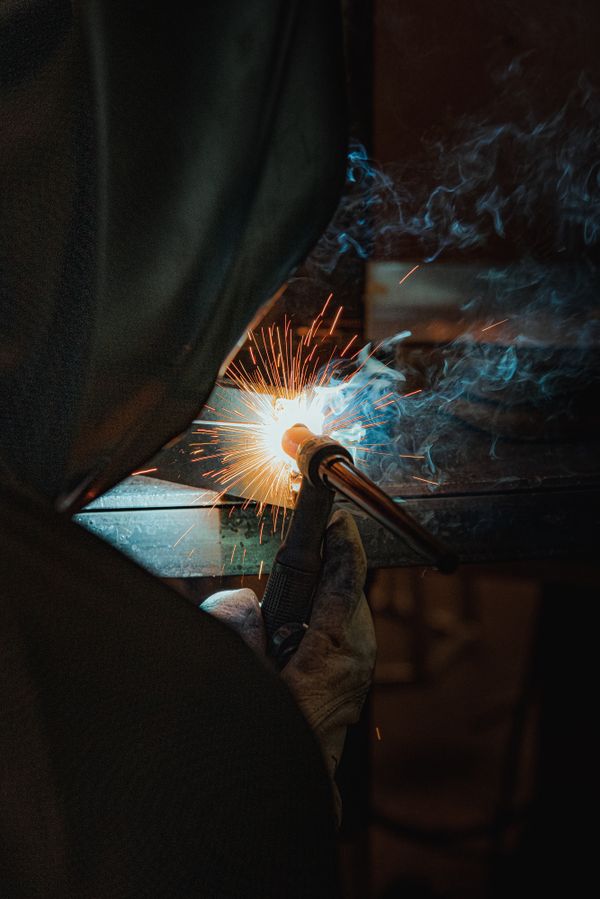
TIG (gas tungsten arc) gives the operator total control of heat and filler. That's why stainless pipework, sanitary vessels, aluminium and anything visible — balustrades, stairs, furniture — gets the TIG torch in our shop. It costs more per metre, and it's worth every cent where it counts.
“MIG builds the shed. TIG builds the staircase inside it. Most real jobs need a bit of both.”
A quick chooser
- Structural frames, gates, trailers → MIG
- Stainless pipe, food-grade, visible stainless → TIG
- Aluminium thinner than 3mm → TIG (or pulse MIG)
- Rusty farm repairs in the paddock → stick (MIG's rough cousin)
Still unsure? Send a photo of the job to the workshop and we'll tell you which torch we'd reach for — and what it should cost.

MICK HARRIGAN
FOUNDER & MASTER WELDER
Mick founded Ferroforge in 1994 and still welds most days. He writes our workshop guides between jobs.